Why We Believe in Talking About Cost Openly
At Bonners Ferry Veterinary Clinic, we never want finances to be the reason a pet can’t receive the care they need.
The best way to prevent that from happening is through clear expectations and proactive planning. When families understand the normal, everyday cost of keeping a pet healthy, they’re able to budget, avoid surprises, and confidently say yes to care.
Preventive medicine is not only the best thing for your pet’s health — it is also the most affordable way to care for them over their lifetime.
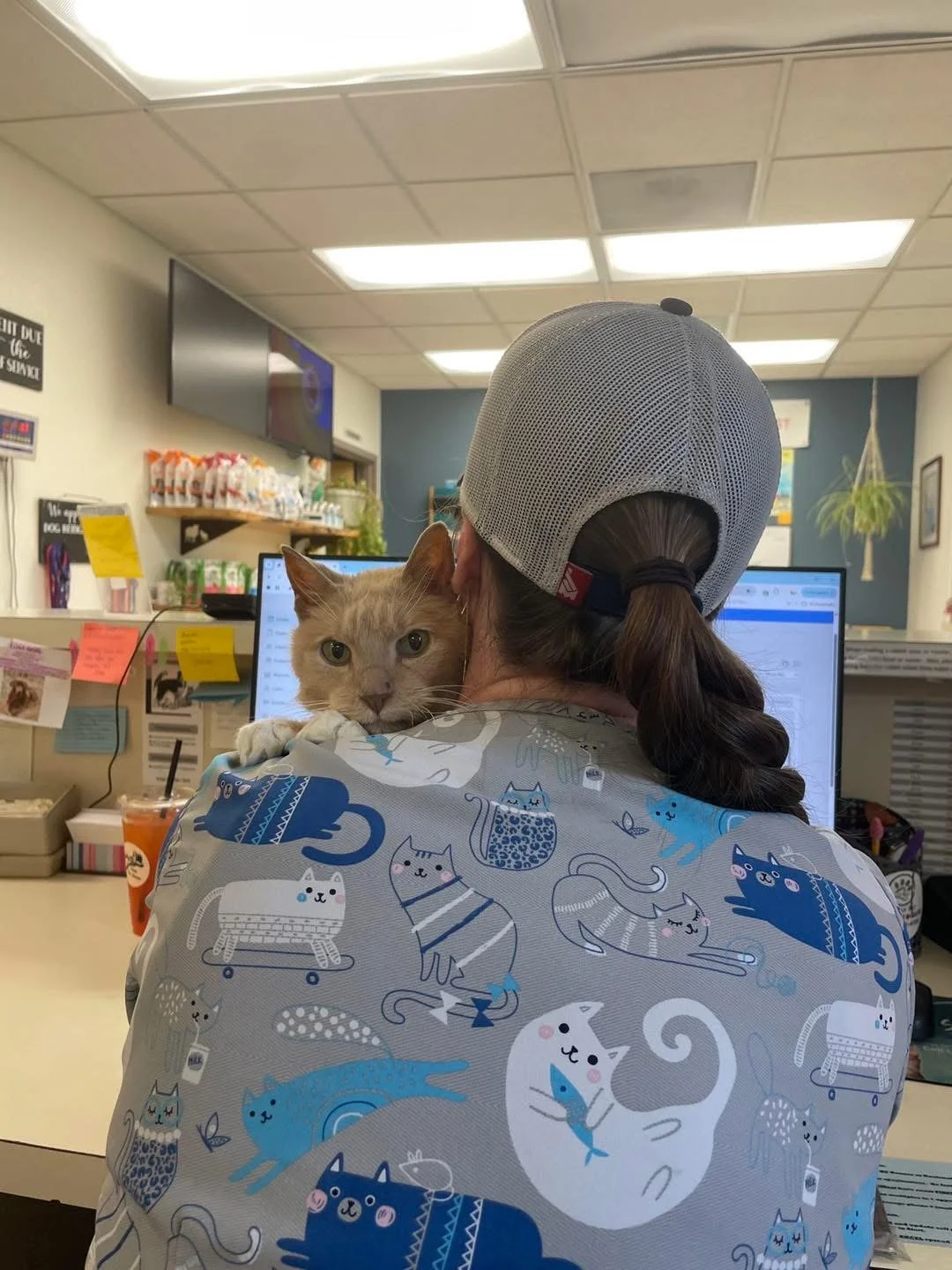
The Cost of Owning a Dog or Cat
Bringing a pet into your family is a long-term financial commitment. Understanding the typical costs of care helps ensure you can provide consistent, high-quality veterinary care throughout your pet’s life.
Below are estimated costs for a healthy pet, reflecting the lower end of average annual expenses.

The Average Yearly Cost of Keeping a Pet Healthy
(when they stay up-to-date on preventive care and no illness or emergencies occur)
Dogs
$800–$3,000+ per year
≈ $67–$270 per month
These estimates include:
Food and treats
Routine veterinary exams
Vaccinations
Flea, tick, heartworm, and internal parasite prevention
Basic grooming
Supplies and toys
Occasional boarding or pet sitting
Why such a wide range?
Larger dogs typically eat more and require higher doses of medications, which increases cost. Expenses can also rise due to premium diets, professional grooming, and frequent boarding.
Cats
$550–$1,800 per year
≈ $60–$135 per month
These estimates include:
Food and treats
Routine veterinary exams
Vaccinations
Parasite prevention
Litter and litter supplies
Toys and enrichment
Occasional boarding or pet sitting
Cats generally cost less than dogs for food and grooming, but litter and household supplies contribute significantly to overall expenses.
Planning for Emergencies Is Essential
The estimates above reflect healthy pets only. They do not include unexpected illness, injury, or chronic disease management.
Emergency veterinary care can range from:
$500 – $1,000 for minor urgent visits
$2,000 – $5,000+ for surgery or hospitalization
$5,000 – $10,000+ for complex cases requiring ICU care at emergency hospitals
These figures are consistent with national data from the American Society for the Prevention of Cruelty to Animals and the American Veterinary Medical Association.

How to Prepare Financially
We strongly encourage pet owners to have a financial safety plan in place.
Dedicated Pet Savings Account
Setting aside $50–$100 per month can help build a reliable emergency fund over time.
Pet Insurance
Typical monthly premiums:
Dogs: $30 – $70 per month
Cats: $15 – $40 per month
Pet insurance can significantly reduce the financial burden of unexpected major medical events and help families make decisions based on medical need rather than financial limitation.
Why We Share This
Understanding the financial commitment of pet ownership helps families:
Plan responsibly
Avoid delayed care
Reduce stress during emergencies
Provide consistent preventive care
Preventive medicine is always more affordable — and safer than crisis care.